

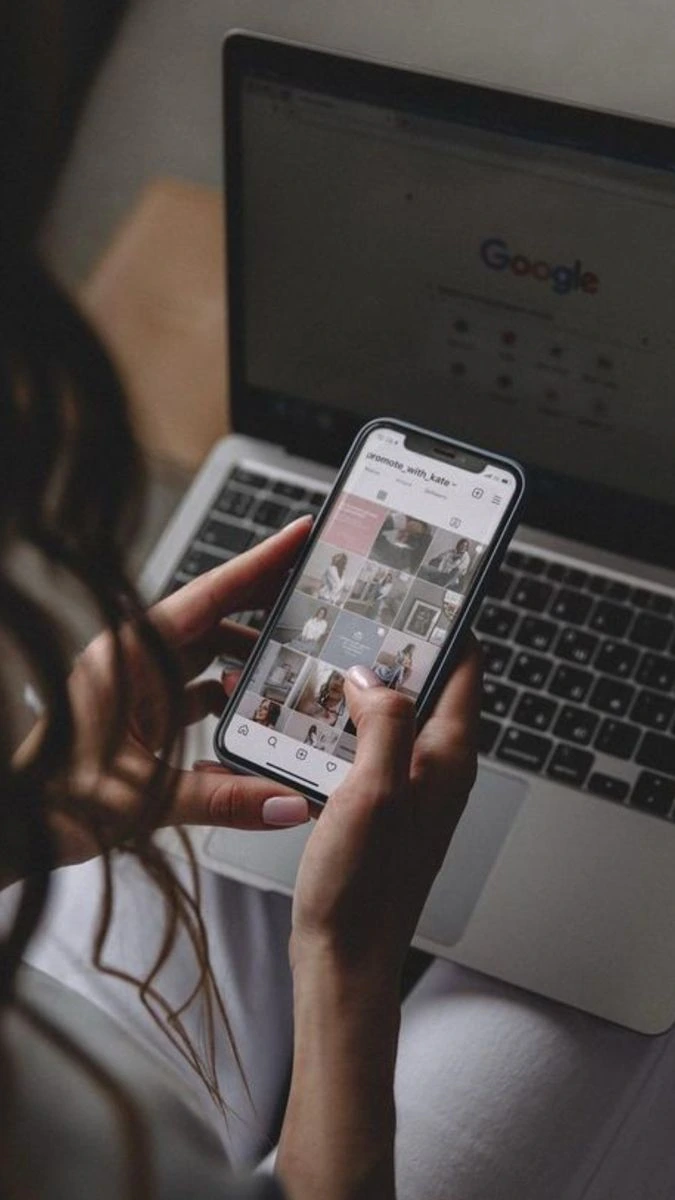

As a branding agency, we’ve seen businesses try to be everywhere at once.
Instagram. Facebook. TikTok. LinkedIn. Pinterest. YouTube.
Apparently, running a business now comes with the expectation that you also need to be a full-time content creator, part-time trend analyst and somehow an expert in every social media algorithm known to mankind.
Exhausting? Absolutely.
Necessary? Not even slightly.
Somewhere along the way, businesses became convinced that having a presence on every platform was the secret to successful marketing.
But being everywhere doesn’t mean you’re being noticed. And it certainly doesn’t mean you’re reaching the right people.
The truth is, your brand doesn’t need to be everywhere. It needs to be where it actually matters.
The Pressure to Be Everywhere Is Getting Ridiculous
There’s always another platform to join, another trend to jump on or another marketing expert telling you that your business is missing out if you’re not doing this one thing.
One minute, everyone’s telling you to focus on Instagram Reels. The next, LinkedIn is apparently where all the magic happens. And don’t even think about forgetting TikTok.
Before you know it, your business has six social media accounts, three abandoned content calendars and absolutely no idea which platform is bringing in customers. Sound familiar?
The problem isn’t necessarily the platforms themselves. They’re all valuable in the right circumstances.
The problem is assuming that every business needs to be on all of them.
Because what works for a fashion label targeting twenty-somethings probably isn’t going to work for a commercial construction company trying to reach industry decision-makers.
Different audiences. Different behaviours. Different strategies.
Yet somehow, businesses are still being sold the idea that more platforms automatically mean more opportunities.
Spoiler alert: they don’t.
Your Audience Isn’t Everywhere, So Why Are You?
Let’s say you’re a local service-based business.
Your customers are searching Google for your services, checking reviews and occasionally scrolling Facebook to see what local businesses are up to.
Meanwhile, you’re spending half your marketing budget trying to create TikTok content because someone told you that’s where the engagement is.
There’s just one small problem.
Your customers aren’t there.
Or at least, they’re not necessarily there looking for what you’re offering.
That’s the difference between having an audience and having the right audience. And that’s where an experienced branding agency can come in and help.
A successful digital marketing strategy starts with understanding who you’re trying to reach, where they’re spending their time and how they’re making purchasing decisions.
Not which platform happens to be trending this month.
For some businesses, Instagram will be the obvious choice. For others, LinkedIn, Facebook or Google Search might be doing the heavy lifting.
The point isn’t to avoid certain platforms. It’s to have an actual reason for being on them.
Because thousands of views from people who were never going to become customers aren’t always as valuable as a handful of genuine enquiries.
More Platforms, More Work, Same Results?
Here’s the part nobody seems particularly excited to talk about. Every additional platform requires time, resources and attention.
And no, copying the exact same post across five different channels and hoping for the best doesn’t automatically count as a multi-platform marketing strategy.
Different platforms have different audiences, content formats and expectations.
What works as an Instagram Reel might need a completely different approach on LinkedIn. A beautifully curated Pinterest post probably isn’t going to translate particularly well to Facebook without some thought behind it.
Good content needs to feel like it belongs where it’s being published. That means understanding the platform, adapting your messaging and creating content people actually want to engage with. And when you’re trying to do that across every platform imaginable, something usually gives. The quality drops. The messaging gets repetitive. The brand starts to lose its personality.
All for the sake of being able to say, “We’re on TikTok too.” Congratulations, we guess?
Your Website Might Be Doing More Than Your Socials
While everyone’s busy trying to crack the Instagram algorithm, there’s another part of digital marketing that deserves a little more attention.
Your website. Remember that?
The place where people can actually find out what your business does, explore your services and make an enquiry without getting distracted by someone’s holiday photos.
Social media is fantastic for building awareness, creating connections and giving people a feel for your brand and overall personality.
But it isn’t the entire marketing strategy.
A well-designed website supported by Search Engine Optimisation (SEO) can help your business appear when potential customers are actively searching for the products or services you offer. Don’t know where to start with your SEO? Look no further.
And that’s an important distinction.
Someone might stumble across your Instagram post while scrolling on their lunch break.
Someone searching Google for a service in their area could already be comparing businesses and preparing to make an enquiry. Both are valuable opportunities, but they serve different purposes.
That’s why putting all your energy into social media while neglecting your website doesn’t make much sense. Your marketing channels should be working together, not competing for whatever time and budget you have left.
Being Selective Doesn’t Mean Playing Small
There’s a misconception that choosing fewer marketing channels somehow means limiting your business’s potential.
We’d argue the opposite.
Being selective gives you the opportunity to invest properly in the platforms that are most likely to deliver results.
Instead of stretching your marketing budget across six different channels, you can focus on creating stronger content, improving your website, building relationships and understanding what’s actually working.
It also gives your brand room to develop a recognisable identity. Because when your messaging is consistent and your content is created with intention, people start to remember you.
Not because they’ve seen you absolutely everywhere. But because what they’ve seen has actually made an impression. And that’s far more valuable than simply adding another platform to your list.
Don’t forget that it’s also important to be selective with the type of content you’re posting. Not too sure? Read this resource from Hubspot.
So, Where Should Your Brand Actually Be?
Good question. And unfortunately, there’s no universal answer. A good place to start is by looking at what your business is trying to achieve.
Are you wanting to build brand awareness? Generate enquiries? Drive website traffic? Connect with other businesses? Build a community?
Your goals should influence where you invest your time. Then look at your audience.
Where are they spending time online? How do they discover businesses like yours? What influences their decisions? Finally, pay attention to the results. Not just likes, followers and views, but website traffic, enquiries, conversions and the quality of the leads coming through. Because a platform can look incredibly successful on paper while contributing very little to your actual business goals. And if something isn’t working, you’re allowed to change direction. Really. The marketing police aren’t coming.
The Takeaway
Your brand doesn’t need an Instagram account, a TikTok strategy, a LinkedIn presence, a Pinterest board and a YouTube channel just because they all exist.
It needs a clear understanding of its audience, a strong identity and a marketing strategy that supports its goals.
Sometimes that means showing up across multiple platforms.
Sometimes it means doing fewer things, exceptionally well.
The important part is knowing the difference.
Because good marketing isn’t about being seen by everyone.
It’s about being remembered by the right people.
And if you’re tired of trying to be everywhere at once, maybe it’s time to rethink where your brand is showing up.
Not sure which platforms deserve your attention? Not sure which platforms deserve your attention? At Wild & Free, we’re a full-sevice branding agency helping businesses cut through the noise and build digital marketing strategies with purpose.
Less guesswork. More direction. Better marketing.


